Layered Light for Serene Bed Alcoves

Settle into a world where quiet illumination shapes comfort, ritual, and rest. Today we explore Layered Lighting Plans for Restful Bed Alcoves, translating design principles into nightly calm. We will build a gentle hierarchy of ambient, task, and accent light, soften glare, respect circadian cues, and choose materials that glow rather than shout. Expect practical tips, intimate anecdotes, and ready-to-use scenes you can try tonight, plus friendly prompts to share your own cozy corner with our community.

Building A Calm Stack Of Light

Ambient That Breathes

Let a quiet glow float from above or behind surfaces, bouncing off ceilings or alcove walls so brightness arrives indirectly. Cove LEDs with diffusers, a shaded flush mount, or a fabric drum pendant set at low output can deliver 50–150 lux of soft background light. Keep color around 2700K and dimmable to one percent for late evenings. Allow darkness to pool beyond the bed nook, so your nest feels held and calm. Tell us which ambient sources calm you most.

Task Light That Cares For Eyes

Reading thrives on vertical light on the page, not glare in your eyes. Aim for roughly 300–500 lux at the book with a shaded or lensed sconce, ideally mounted near shoulder height beside the headboard and angled about thirty degrees. An opaque shade or cut‑off keeps light off your partner while delivering clarity to text. Choose 2700–3000K with high color rendering for comfortable skin tones and crisp print. Add local switches within reach, and dim down when winding toward sleep.

Accent With Intention

A gentle ribbon of light under a headboard lip, a tiny picture light over artwork, or a petite shelf spotlight can create depth without shouting. Keep accents warmer and lower than ambient, establishing a relaxed one‑to‑five contrast ratio so the glow guides, not competes. Highlight wood grain, linen folds, or a favorite print to anchor the vignette. These small highlights become evening rituals: switch on, breathe out, and settle. Share one accent you adore and why it helps you exhale.

Color Temperature And Circadian Comfort

The hue of light can either nudge your body toward rest or pull it toward alertness. In alcoves, evening should feel warmly intimate, morning gently invigorating, and midnight navigation nearly invisible to sleepy eyes. Dim‑to‑warm LEDs that shift from 3000K down to 2200K echo candlelight as you lower the level, coaxing calm. If you like dawn assistance, a small, tunable source can brighten to a soft neutral tone. Keep choices simple: cozy at night, clear for reading, minimal after lights‑out.

The Warm Evening Palette

Set your evening baseline between 2200K and 2700K, where whites look creamy, wood glows honeyed, and skin appears gentle. This palette reduces edgy reflections and invites slower breathing. Pair warm ambient with slightly brighter, still warm task light so printed pages remain crisp. Use amber or ultra‑warm nightlights for late returns to bed, placed below eye level to avoid waking the brain. We love hearing what color feels like comfort to you; share your favorite lamp’s hue and why.

A Gentle Morning Nudge

If mornings feel heavy, introduce a subtle rise in light level and color temperature after wake time, drifting toward 3000–3500K for clarity without harshness. A bedside lamp with a timed fade‑in, or a small indirect uplight, can lift shadows and help you orient. Keep brightness modest at the pillow to prevent a jolt, increasing illumination in the room beyond the alcove instead. Think of it as a soft handshake with the day. Which gentle morning cue would you trust daily?

Navigation That Respects Sleep

For midnight movements, keep light low, warm, and indirect. Under‑bed or toe‑kick LEDs at one to two lux guide steps without splashing the pillow. Motion sensors with short timeouts mean no fumbling for switches, and lenses or diffusers soften the footprint. Avoid cool tones that feel clinical at night. The goal is orientation, not stimulation. If you’ve solved nighttime trips with a clever glow, tell us how you placed it and whether family members sleep through your quiet path.

Shield The Source

Use fabric shades, frosted lenses, deep trims, or valanced channels to keep diodes and filaments out of direct sight. When a bright point peeks at you in an alcove, your eyes work harder, even at modest brightness. Softening the source raises perceived quality, allowing lower levels to feel luxurious. Aim indirect light at nearby surfaces and bounce it back at you. If you’ve found a perfect shade shape or diffuser that tames sparkle without dulling texture, we’d love your recommendation.

Aim For The Page, Not The Pupil

Mount reading sconces so the beam lands on your book at a comfortable angle, typically thirty degrees from above or beside your shoulder. A swing arm or gimbaled head helps refine aim without moving pillows. Test by placing a page and checking for even light, no hotspot, and no shadow from your brow. Keep the lamp edge behind your sightline when reclining. Share your height and mounting strategy, and we can suggest tweaks so partners enjoy individually tailored, peaceful reads.

Balance Contrast For Ease

The eye relaxes when brightness steps feel gentle, not abrupt. Keep the area just beyond the bed slightly darker than the alcove, so your nest reads as a soft focal point. Avoid shiny finishes directly opposite fixtures, and keep glossy frames out of beams. If you layer ambient first, then task, then accent, you can tune each until shadows feel intentional. Post a quick snapshot of your current setup, and our readers will happily suggest subtle contrast fixes they’ve loved.

Controls, Dimmers, And Nightly Rituals

Great lighting becomes effortless when controls match habits. Create a few scenes you’ll actually use, place switches where hands naturally land, and choose dimmers that reach low, flicker‑free levels so late evenings feel velvety. Consider partner‑friendly independence with separate sides and a shared master off. Add gentle timers for bedtime, motion for midnight, and keep manual override obvious. The result is a ritual that invites rest every night. Tell us your favorite scene names, and we’ll borrow liberally.

Materials, Finishes, And The Glow Of Texture
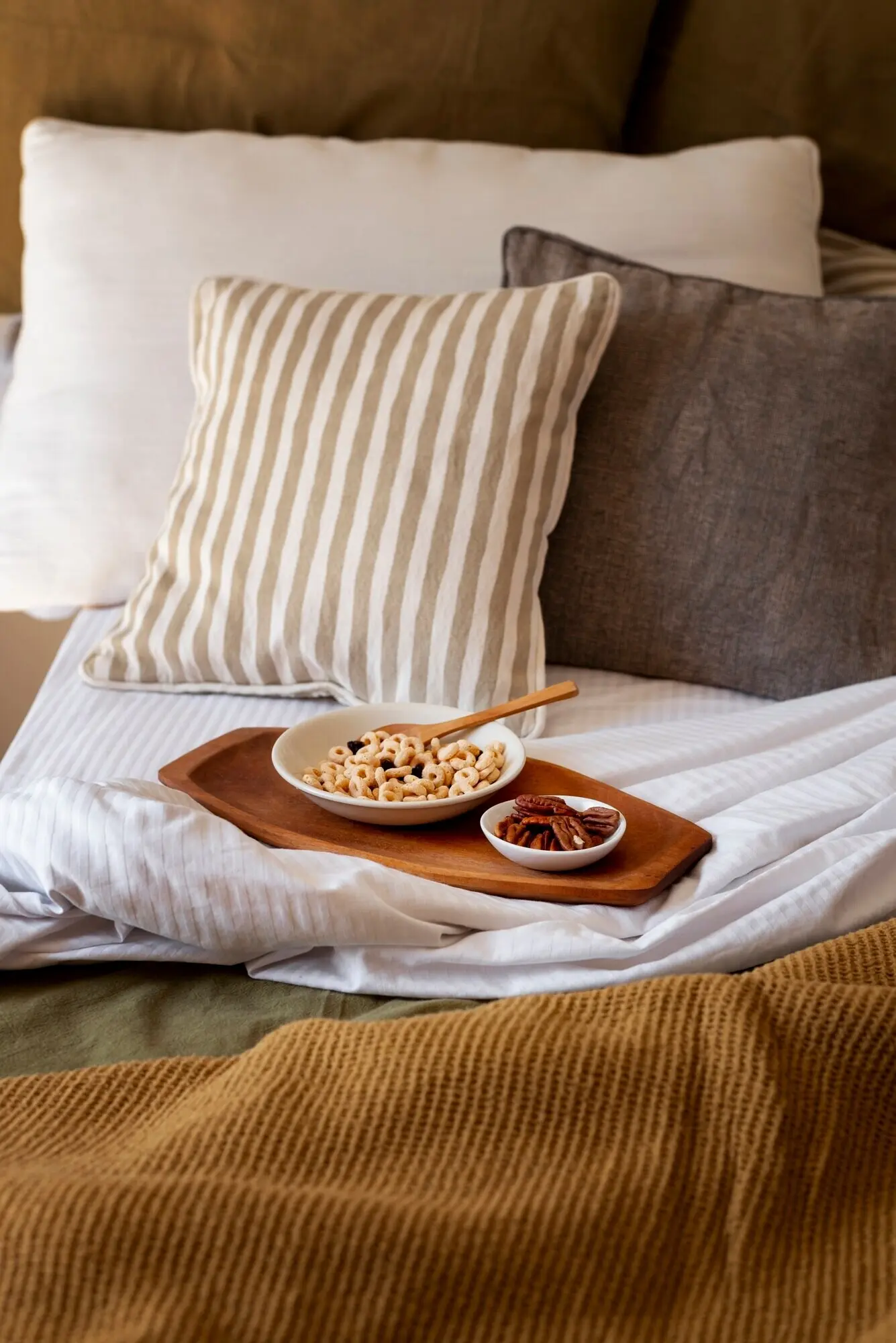
Surfaces decide how light behaves. Matte linens, chalky paints, and open‑grain wood scatter illumination into a tender haze, while polished metals bounce sharp reflections. Choose headboard fabrics that drink light softly, pair with diffused channels that hide dotting, and keep reflective art out of strong beams. CRI 90+ lamps honor wood warmth and skin tone kindness. Smart channels and tidy wiring keep the magic unseen. Show us your material palette, and we’ll suggest lighting that flatters it best.
Fabrics like linen, wool felt, or brushed cotton turn light into atmosphere, smudging edges so everything feels gentler. Medium‑tone woods with satin finishes reflect enough to keep the alcove alive without glitter. Aim wall paint toward matte or eggshell to avoid hotspots. Even a small fabric‑wrapped shade can transform harsh output into a velvety pool. Try swatches under your actual lamps before committing. Tell us which textures feel most restful to you, and we’ll trade favorite pairings.
Slim LED strips need real hardware to look refined: aluminum channels for thermal stability, continuous diffusers to erase dots, and accessible drivers with quiet operation. Mount channels where sightlines are protected, like behind a headboard lip or in a shallow cove. Leave space for airflow, and plan driver access for maintenance. Choose consistent color bins so adjacent runs match. If you’ve found a profile that disappears yet performs beautifully, share the model and why it behaved so gracefully.
Calm alcoves hide chaos. Route cords along furniture shadows, use paintable covers, or specify in‑wall boxes for clean plug‑in sconces. Add strain relief and cord clips so nothing tugs at night. Keep chargers off the pillow line and provide a discrete shelf for phones to reduce late glare. Label drivers and power supplies for easy troubleshooting later. A tidy nook reads instantly peaceful. Post your tidiest cable trick, and help another night owl find a quieter bedside view.

Stories From Restful Corners

Design becomes real through lived nights. These quick tales show how small shifts in light remake mood, conversation, and sleep. Each story blends practical numbers with human moments: a page turning easier, a partner not stirred, a room greeting dawn kindly. Use them as springboards for your own experiments. Then tell us what changed in your alcove, because shared successes—and even missteps—help everyone shape coziness faster, with fewer purchases and more intention. We’re listening and cheering you on.
Dravolixenutampio
Privacy Overview

This website uses cookies so that we can provide you with the best user experience possible. Cookie information is stored in your browser and performs functions such as recognising you when you return to our website and helping our team to understand which sections of the website you find most interesting and useful.